By Henry – Professional Landscaper & Interior Space Designer
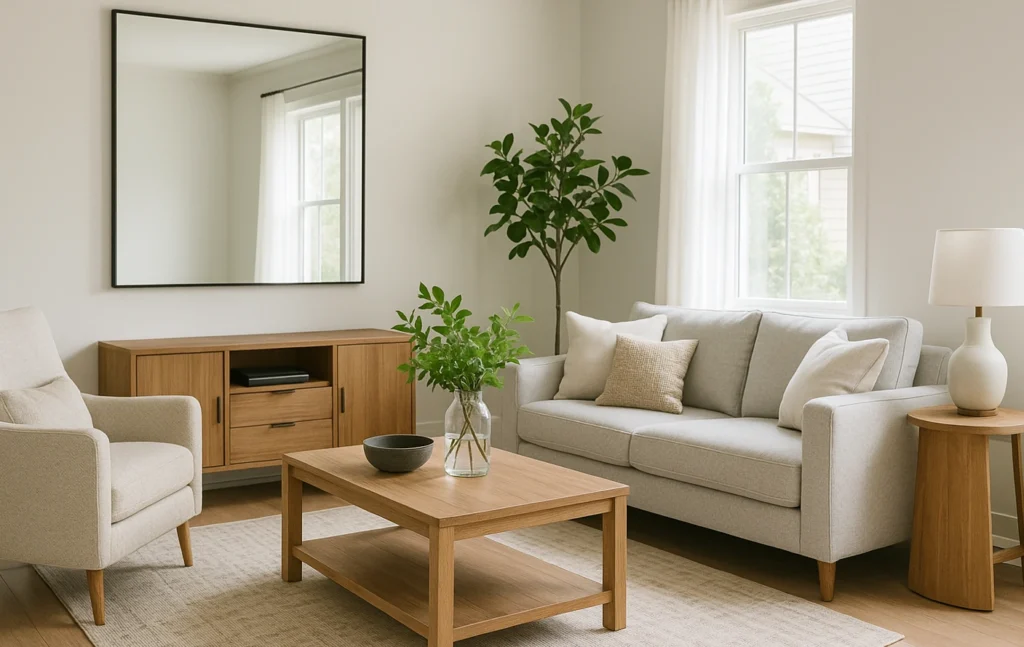
Designing a small living room can feel challenging, but with the right approach, even the most compact spaces can look open, airy, and beautifully inviting. Much like landscaping, where smart placement and visual balance can make a small garden feel expansive, interior design relies on thoughtful choices in layout, color, texture, and lighting to create the illusion of more space. When done correctly, your living room will feel both functional and stylish without sacrificing comfort.
The first step in transforming a small living room is choosing the right color palette. Light, neutral tones—such as soft whites, pale greys, warm beiges, and muted pastels—make walls recede visually, giving the room an open feel. Lighter colors reflect natural and artificial light, which enhances spaciousness. If you enjoy bold colors, use them strategically in décor, throw pillows, or artwork rather than covering large surfaces. This keeps the room bright while giving it personality.
Furniture placement is equally important. Many homeowners make the mistake of pushing all their furniture against the walls, assuming it will create more room. In reality, floating your sofa or chairs a few inches away from the walls makes the layout feel intentional and less cramped. Opt for pieces with exposed legs, slim arms, and minimalist frames—these allow light to pass through and avoid the visual heaviness that bulky furniture creates. Multi-functional furniture is also a lifesaver in tight spaces. Think storage ottomans, nesting tables, and sofas with built-in compartments.
Mirrors are one of the simplest yet most effective tools for expanding visual space. A well-positioned mirror reflects natural light, amplifies your view, and gives the illusion of depth. Placing a large mirror opposite a window instantly brightens the room and makes it feel twice as spacious. A gallery wall of smaller mirrors can also add artistry while serving the same visual purpose.
Lighting plays a crucial role in preventing a small living room from feeling boxed in. Relying solely on overhead lighting creates shadows that can make your space appear smaller. Instead, use layers of lighting—floor lamps, table lamps, wall sconces, and soft accent lighting—to brighten dark corners and evenly illuminate the room. This layered approach distributes attention throughout the room rather than concentrating it in one spot.
Decluttering is another essential design principle. Small spaces demand intentional organization. Keep surfaces clean, avoid oversized décor pieces, and choose storage solutions that blend into your design. Built-in shelves, floating cabinets, or baskets are practical ways to reduce clutter without sacrificing style. When your living room feels orderly, it instantly feels larger.
Textures and materials can also influence how big your living room appears. Light, airy fabrics—like linen curtains or cotton throws—make a space feel breathable. Avoid heavy drapes that block natural light and visually weigh down the room. Transparent elements such as glass tables or acrylic chairs maintain openness because they don’t disrupt lines of sight.
Don’t overlook the importance of flow. Every room should have a natural pathway for movement. Arrange furniture in a way that allows you to walk through the space easily, without navigating around obstacles. Rugs can help define areas while making the layout feel cohesive. Choose a rug large enough to anchor your main pieces rather than one that floats awkwardly in the center—it actually makes the room appear bigger, not smaller.
When refreshing your living room, many homeowners also consider updating other areas of the home. It’s quite common to explore improvements in adjacent or high-traffic spaces. For instance, understanding bathroom renovation cost can help you plan cohesive home upgrades that maintain a consistent design style. This type of research acts as a helpful secondary reference if you’re thinking about larger home improvements beyond just the living room.
Ultimately, small living rooms have incredible potential when approached with creativity and intention. With smart color choices, the right furniture, thoughtful lighting, and a balance of style and practicality, your space can feel significantly larger and more welcoming. Even minor adjustments can transform your living room into one of your favorite places to relax and entertain.
Is the noise in your office affecting productivity? Discover the importance of soundproofing in the workplace and how it can boost efficiency.
Identify common noise sources and implement soundproofing techniques for walls, floors, windows, and doors to create a quieter work environment.
Explore the latest soundproofing products and technologies to enhance office space and maximise productivity.
The Importance of Soundproofing in the Office
Creating a soundproof office environment maximises productivity and enhances work efficiency. Innovative soundproofing solutions can significantly reduce distractions, optimise workspace acoustics, and boost employee focus levels.
By minimising outside noises and internal chatter, soundproofing helps foster a quiet and conducive environment for employees to concentrate on tasks without disruptions. This quiet atmosphere increases productivity and promotes creativity and mental well-being. In a modern office design, implementing soundproofing measures such as acoustic panels, sound-absorbing ceiling tiles, and furniture with noise-reducing properties can transform a bustling workspace into a serene oasis where employees can thrive.
Effects of Noise on Productivity
Excessive noise in the office can harm productivity and employee well-being. Implementing soundproofing strategies not only reduces distractions but also creates a more conducive work environment for maximum productivity.
Minimising noise levels allows employees to focus better on their tasks, leading to a significant productivity boost. High noise levels can increase stress and fatigue, negatively impacting work performance. Studies have shown that reducing noise in the workplace can enhance concentration levels and foster a positive office atmosphere. Eliminating distractions through noise reduction techniques can improve employee satisfaction and overall well-being. Creating a quieter work environment promotes a more tranquil setting that allows for better focus, ultimately enhancing productivity.
Identifying Problem Areas in Your Office
Before implementing soundproofing solutions, it is essential to identify problem areas in your office that hinder productivity. Office renovation can be key in creating a workspace that fosters increased focus, noise isolation, and overall workplace efficiency.
You can pinpoint specific areas that may benefit from renovation by evaluating factors such as the layout of your workspace, the type of materials used for walls and flooring, and the presence of noisy distractions.
Enhancing the acoustic environment can reduce noise transmission, allowing employees to concentrate better and work more efficiently. Through strategic planning and design changes, an improved office setup can boost morale, enhance communication, and contribute to a more productive and harmonious work environment.
Common Sources of Noise in the Office
Common sources of noise in the office include:
Open-plan office layouts.
Noisy equipment.
Lack of sound barriers that compromise privacy and hinder concentration.
Using soundproofing materials and strategic layout adjustments can significantly reduce noise levels and enhance privacy.
Implementing sound-absorbing materials such as acoustic panels, carpets, and ceiling tiles can help absorb sound waves and prevent them from bouncing off hard surfaces, reducing overall noise pollution.
Introducing designated quiet zones or utilising noise-cancelling headphones can offer individuals a sanctuary for focused work amidst a bustling office environment.
Maintaining ideal noise levels is crucial for productivity and employee well-being, so organisations must invest in noise reduction strategies.
Soundproofing Techniques for Walls and Floors
Implementing soundproofing techniques for walls and floors is essential to achieving optimal acoustics in the office. Sound barriers, decorative elements, and noise-cancelling curtains can effectively reduce echoes and create a more tranquil work environment.
Plus utilising sound barriers, another effective way to enhance soundproofing in an office setting is by incorporating noise-cancelling curtains. These specialised curtains are designed to absorb sound waves, reducing external noise infiltration. Integrating office decor elements like plush rugs, wall tapestries, and soft furnishings can also help dampen sound and improve the overall aesthetics of the workspace. By combining these techniques, not only can you eliminate echoes, but you can also create a stylish and serene ambiance conducive to productivity.
Insulation and Sound-Absorbing Materials
Insulation and sound-absorbing materials are vital in achieving effective soundproofing within the office environment. By incorporating these materials, businesses can achieve superior echo cancellation, reduce distractions, and enhance the overall workplace design with appropriate acoustic treatment.
These materials help minimise noise transmission between different areas of the office and play a significant role in maintaining privacy and confidentiality in workspaces. Properly soundproofed offices foster a more productive and comfortable atmosphere for employees, increasing job satisfaction and overall well-being. Using sound-absorbing materials improves communication quality during meetings and presentations, ensuring that external noise distractions do not disrupt important discussions.
Soundproofing Solutions for Windows and Doors
Implementing soundproofing solutions for windows and doors is critical for optimising the workspace environment. By reducing ambient sounds and noise levels, employees can experience enhanced concentration and improved productivity in a quieter setting.
Effective soundproofing measures create a more serene work atmosphere and help maintain privacy within the office space.
Installing acoustic panels or double-glazed windows can significantly buffer unwanted external noises. Specialised weatherstripping and door sweeps can seal any gaps that may transmit sound, further enhancing the tranquility of the work environment.
By addressing these factors, businesses can foster a conducive work environment that nurtures focus and boosts overall work performance.
Sealing and Soundproofing Products
Sealing gaps and utilising soundproofing products are effective ways to enhance work productivity and create a quiet, creative workspace. Employees can benefit from a more conducive environment for optimal performance by improving sound quality through strategic installations.
Minimising distractions caused by external noises enables individuals to focus better on tasks, increasing efficiency and creativity. A quiet environment promotes concentration, allowing employees to engage deeply in their work without interruptions. Soundproofing products improve acoustics and contribute to a more peaceful atmosphere, fostering a sense of calm and enhancing overall well-being.
Creating a workspace that prioritises sound quality can boost morale and productivity, ultimately leading to a more fulfilling and successful work experience.
Creating a Quieter Work Environment
Creating a quieter work environment involves implementing soundproofing techniques that reduce reverberation and enhance workplace design. Employees can experience a more serene and focused atmosphere by cultivating a peaceful workspace through soundproofing solutions.
This leads to enhanced focus and productivity and contributes to a positive company culture. Noise distractions can hinder workflow and impact employee morale, making addressing sound issues in a workplace essential. Utilising sound-absorbing materials, such as acoustic panels and baffles, can significantly diminish unwanted noise reflections, creating a more harmonious environment. Incorporating soundproofing elements strategically in meeting rooms, open office spaces, and common areas can further enhance the overall acoustic performance of the office, leading to a more tranquil working environment.
Strategies for Reducing Noise in the Office
Employing effective strategies for reducing noise in the office is crucial for minimising distractions and improving the overall office environment. By implementing soundproofing methods that minimise disruptions, businesses can create a conducive workspace that enhances employee focus and productivity.
One effective strategy for reducing noise levels is to use sound-absorbing materials such as acoustic panels or ceiling tiles. These materials help to absorb and dampen sound, reducing echo and overall noise levels in the office.
Creating designated quiet zones within the office where employees can retreat for focused work can also help minimise distractions.
Encouraging the use of headphones or white noise machines can provide individuals with a personalised way to block out background noise and improve their concentration.
Innovative Soundproofing Products and Technologies
Innovative soundproofing products and technologies offer advanced solutions for enhancing privacy and work productivity and reducing sound transmission within office spaces. By incorporating these cutting-edge products, businesses can create a more efficient and comfortable work environment.
These innovative soundproofing solutions not only help minimise distractions but also contribute to improving overall acoustics in the workplace. By effectively controlling noise levels, employees can focus better on their tasks, leading to higher productivity levels. By implementing these technologies, companies can foster a more conducive atmosphere for collaboration and concentration. The latest soundproofing products are designed to seamlessly integrate into existing office setups, providing a hassle-free solution for optimising sound control and privacy.
New and Advanced Solutions for Soundproofing
Discover new and advanced soundproofing solutions that address work environment challenges and enhance focus through effective acoustic solutions. Soundproofing upgrades can significantly improve the office environment and boost employee productivity.
These innovative soundproofing solutions are designed to reduce distractions and create a more peaceful atmosphere in the workplace. Employees can concentrate better on their tasks by minimising noise interruptions, leading to increased efficiency and output.
Soundproofing upgrades improve communication by reducing background noise and fostering a more collaborative work environment. The benefits extend beyond productivity, with studies showing that enhanced acoustics in a workspace can positively impact employee well-being and job satisfaction.
Investing in soundproofing enhancements improves the physical environment and enhances the overall quality of work life.
Blinds are more than just practical window coverings; they are a powerful design element that can transform any space. Available in a vast array of styles, materials, and colours, blinds offer incredible versatility, allowing you to complement and enhance your unique decor aesthetic with ease. From sleek, modern roller blinds to classic, elegant Venetian blinds, let’s explore the dynamic role of blinds in interior design and how to choose the perfect style for your space.
A Palette of Styles: The Wide World of Blinds
Blinds come in many styles, each offering aesthetic and functional benefits. Here’s an overview of some popular types:
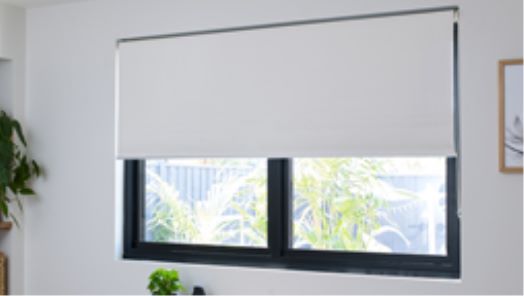
Roller Blinds: These are loved for their simplicity and clean lines, making them a perfect match for minimalist or contemporary designs. They are typically made from fabric or vinyl, allowing various colours and patterns.
Venetian Blinds: Venetian blinds consist of horizontal slats attached with string or strips of cloth. These timeless pieces are suitable for various styles, from traditional to modern, thanks to materials like wood, faux wood, or metal.
Roman Blinds: If you’re after a more luxurious look, Roman blinds could be the answer. These fabric blinds, which elegantly fold into pleats when raised, are perfect for adding texture and depth to a room.
Vertical Blinds: Perfect for larger windows and patio doors, vertical blinds offer a unique aesthetic that can enhance modern and traditional decor styles. They also provide excellent light control.
Panel Track Blinds: These are essentially vertical blinds but are wider and more suitable for large windows or sliding doors. They offer a sleek and sophisticated look, especially in modern spaces.
Choosing the Right Blinds for Your Room
When selecting the right blinds, consider the room’s function, size, and the amount of natural light it receives.
Bedrooms usually require blinds that offer high light control and privacy, like blackout roller blinds or wooden Venetian blinds. These can block the light when needed, creating a serene sleeping environment.
In kitchens or bathrooms, where moisture and stains can be problematic, faux wood or Venetian metal blinds or waterproof roller blinds are ideal.
For living areas, you have more flexibility. Living rooms can benefit from the elegance of Roman blinds, the modern feel of panel track blinds, or the classic charm of Venetian blinds.
The colour and texture of your blinds play a pivotal role in achieving your desired look. Light-coloured blinds can make a small room appear larger and brighter, while darker blinds add a sense of drama and coziness. Textured blinds, like those made from woven wood or bamboo, can add an organic, natural feel to your space.
Integrating Blinds into Your Interior Design Scheme
Blinds can be either a focal point or a subtle complement to your interior design. For a striking statement, consider bold-patterned roller blinds or brightly coloured Venetian blinds.
Alternatively, neutral-coloured blinds in a style that matches your decor for a more understated look can seamlessly blend with your interior design.
When integrating blinds into your decor, it’s also worth considering how they look from the outside. Consistent window treatments can significantly improve your home’s curb appeal.
Final Thoughts
Blinds offer so much more than just light control and privacy. They provide a versatile design element that can dramatically transform your space, setting the mood and accentuating your style. Whether you’re leaning towards the timeless elegance of Venetian blinds, the sleek minimalism of roller blinds, or the lavish luxury of Roman blinds, the choice is vast.
Remember, the best blinds for your space will depend on your specific needs and personal style. Consider the function of your room, the amount of natural light, and your aesthetic preferences when choosing. With careful selection, your blinds will not only serve their practical purpose but also become a captivating component of your interior design.
Some homeowners simply buy window roller blinds as an aesthetic expense. They see it simply as an aesthetic cost, and they assume it’s unnecessary to buy window shades in order to reduce the amount of light entering their homes. This group of homeowners is missing the point entirely and doing themselves some sort of a big disservice by buying these blinds, even if the blinds are only marginally more attractive than plantation shutters.
Let’s consider what kind of difference a good set of window shades can make in the appearance of your home. When you are buying motorised roller blinds, you are not only purchasing a window treatment, you are also buying the ability to control the amount of light entering your home. If you have a large room, you will be able to increase or decrease the amount of light entering the room by adding or removing the blinds. Similarly, if you have a very small room, you can adjust the amount of light entering the room by increasing or decreasing the number of blinds you choose to use.
A lot of people who buy window blinds do not realize that they can change the way they look simply by changing the number of blinds they use. Many people, when buying blinds, don’t consider the fact that there are a wide variety of styles and colours available for them. If you take the time to get the right type of blinds for the room where you live, then you will be able to create the effect that you want in your home and at very little cost.
Of course, window shades and blinds for general window coverings are not the only options available when it comes to controlling the amount of light entering your home. There are also many different types of curtains and drapes that you can choose to block the light. In fact, window blinds and curtains alone are not sufficient to provide adequate window coverings for all areas of your home. In order to get the most control over the amount of light entering your home, you will need to use a combination of blinds, curtains and drapes that provide a more complete, overall effect.
Window blinds are a great way to control the amount of light entering a room. They provide privacy in addition to their ability to offer protection against the harmful UV rays of the sun. Plantation shutters, on the other hand, will not only provide privacy but will also block out light. The beauty of plantation shutters is that they are made from solid fabric that is also very durable and resistant to fading and warping.
Both window blinds and plantation shutters offer many advantages and disadvantages. If you decide to buy window shades instead of blinds, you are going to have to decide which one is going to be best for the amount of light you want to block out. For instance, plantation shutters are a better option for rooms like the entryway because they offer greater privacy than window blinds, but they are also much harder to clean and maintain.
On the other hand, window blinds are easier to clean and maintain, and they provide more control over the amount of light they block. Because they are made of fabric, they will last for much longer than plantation shutters.
So which is better for you? If you want to purchase blinds to block out as much as possible of the sun, then you will need to invest in window roller blinds. If you need to block out just enough to allow enough light in so you can feel comfortable and let as much as possible in, then plantation shutters will be your better choice.
When it comes to the average cost of a bathroom remodelling project, it varies from homeowner to homeowner. Costs are higher in areas that have a higher demand for remodelling services. They also vary depending on the scope of the project and the number of hours needed to complete the work.
If you want to save time on your project, consider hiring a contractor instead of attempting the job yourself. Here are some tips for getting an excellent shower renovation for your bathroom.
To start your project, take inventory of the space. Do you have a cramped bathroom? If so, consider a 2-piece tub/shower combo instead. These are often less expensive to install. They also require removing the existing shower pan, drain, and vent stack. However, this option is not always feasible in small spaces. This type of project is expected in tract housing, rental properties, and townhomes. You’ll need to carefully plan your project, so you don’t disrupt the plumbing and electrical systems.
Changing the size of the shower can be costly. A standard 6-foot porcelain steel tub costs from $475 to $870. Freestanding tubs and massaging jet tubs are more expensive, and larger luxury tubs can run upward of $1,400. Whether you opt for a large tub or a smaller one, it will be an attractive addition to your bathroom and can improve the resale value of your home. The final result will be an improved bathroom you can be proud of.
Another thing to consider when renovating a shower is its lighting. Your current lighting probably came with your home when you bought it, and while it’s functional, it won’t look perfect in your bathroom mirror. Adding lots of light is the most useful change you can make in a bathroom. You don’t have to spend much on it; you can buy high-quality fixtures for a fraction of the cost.
You can also consider installing a bathtub instead of a shower. A bathtub is often cheaper to install than a shower and requires less waterproofing. Depending on your bathtub type, you can find RedGard at a home improvement store. And a bathtub is a much better option than a shower for families with young children.
When renovating a bathroom, you should always list what you want and how much you want to spend. Then, discuss your list with a shower renovations Brisbane contractor. The cost of demolition varies and the amount of waste produced will increase accordingly. When planning your bathroom remodelling project, you should consider demolition as part of your budget. After all, the contractor will tear out the old structure in the bathroom and dispose of the debris.
A shower renovation can be a rewarding and fun experience if you prepare well and educate yourself. If you know what you’re looking for, your budget, and your intention, the remodelling process will be relatively stress-free, and you’ll love the result.
So don’t wait any longer! Get started today. There are many ways to improve your shower. A few easy tips are listed above. A well-planned shower renovation will transform your bathroom into a place you can relax and de-stress in.
What is the process of plastering?
It is the process of using plaster to cover uneven walls and surfaces. It is going to take long to do this and it would take people who are experts at this craft. It won’t take an average Joe to accomplish this task. It makes the appearance of the place even better than it already is. You will need to mix a mixture of sand, cement, and water. This mixture will be used to plaster the wall. Before starting the method, make sure that the wall is clean so that dirt won’t get stuck there. What’s worse, you may even get sick because of all the dirt that is stuck in the walls. Also, better prepare all the needed tools for this process so you won’t need to go back and forth to the hardware store.
What is used for plastering?
There are many types of plasters that are used including asbestos plaster and gypsum plaster. Each of the materials used are different in their own way. They provide different results so you must know which one you really need. Some are used for certain types of finishes so you must know the finish you would want.
What is plastering and skimming? Skimming is a type of plastering method used on a portion of a wall using a thin layer of coat. Skimming is done in order to make the area smoother. It is not a method that can be done by just about anyone. If you attempt to do it, you may make it look worse. Skimming is a subset of plastering and both are done to increase the appeal of the wall. In addition, both are done so that the wall would last longer than expected.
What do you mean by plastering?
It is covering something. For example, when something is not right on your concrete wall, you should have it plastered. As recommendation from Vintage Solid Plastering, it is possible there is a hole or a misalignment. When you experience that, it is the sign of pests in the area or the wall is showing signs of wear and tear. Thus, you would need to do something about that before it is too late. Plastering is done for the wall to last a lot longer than expected. When you do it, there is a huge chance it is expected to last several lifetimes. Plaster is also a material that is used for decorating materials so plastering can be done during special occasions.
Is plastering easy?
It is not an easy task. It is impossible for an average person to plaster surfaces without having prior knowledge. Yes, even looking at what’s written on instruction books won’t be enough to serve as a guide for this task. It is going to take a lot of time to practice plastering before being able to actually perfect it. You would also need to dedicate a lot of time in accomplishing this task. It would not take a bit of mastering before starting the process of plastering. It is something that requires a lot of steps before you would consider it to be over. By that time, you can’t even be sure that there won’t be any disruptions on the walls for years to come. You just need to trust your instincts and that is what’s important right now.
Why is plastering needed?
The appearance of the walls won’t look too appealing if you won’t do anything about it. You would need to plaster it if you are planning to sell the house in the future. If you do something about the uneven surface, you are going to repel pests. Yes, don’t forget to call the pest control experts with regards to eliminating termites who are responsible for taking down some of today’s tallest buildings. Also, you are going to increase the value of your property when the plastering is done right. After all, you would want nice value for ti when the time comes that you would need to sell it. Yes, nothing lasts forever and you would need to move to another property when the opportunity presents itself. Thus, better have experts do this method or you are going to regret it in the future.
What is an interior solution?
It is a solution that is made by a designer regarding what to do with an interior space. Of course, this would only be done after some careful studying done by the designer. This will certainly not be easy since a lot of things can be done to the interiors so it would take the designer a lot of time to think of the best solution for it. The interior designer could choose specific items to put in the space or you can opt for cheaper alternatives, stated interior design Sydney. There is no harm in doing so especially if you have a tight budget.
How to design a good spacing solution to offices with small space?
The first thing to do would be to find a way to put all the important office materials in the small space. Yes, that means excluding all the useless stuff that would take up a ton of space. The second thing to do would be to print a blueprint of the place and compare it with a normal office space so you can know what to put where.
How can I build a small office space at home?
It won’t really take much to learn how to assemble the bookshelves or to build an office space at home utilizing Gypsum plasterboards. You can do it at a room, the basement, or even the attic. You must have a table where you can put down your computer. Also, the table should be full of drawers where you will put all your office supplies. Don’t forget to put labels on each drawer so you won’t forget where you put all the necessary items. The last thing you would want to do is to lose stuff then buy them all over again.
How can I decorate my budget for small spaces?
You can use your budget by canvassing for cheap items at websites like eBay and Amazon. You will be able to get affordable items at nice prices. It is important to save as much money as possible. At the same time, you would want to buy high-quality equipment so they would last long. Don’t forget to not put lots of things on the floor so nobody would trip.
What is the best way to build office space?
It starts with deciding who sits whereas it is important for the boss to be in one corner and for the employees to be sitting beside each other. After that, you can add the office furniture and appliances that each employee needs to do his or her daily tasks. Of course, these things can change as weeks go by.
How can we use space efficiently?
It would be best to get the advice of an established interior designer. First, you will give your input and you can tell her to maximize the space. She will give her own input as to what you can put in the entire area so that the space will be maximized. Of course, you will still have the final decision so you can decide whether to follow her advice or not.
Bonegilla Interior is a privately owned company, consultation by Craiglist, established to provide Interior Solutions for the relocation, expansion, refurbishment and new fit-out requirements and commercial office fitouts for the commercial sector.
The team at Bonegilla Interior offer internal expertise across a broad spectrum of interior fit-outs or Ceramic tiles and requirements.
We provide the total solution for your company, from single furniture items to a complete ‘Turnkey Package’
Design & Construct
Architectural / Specialist Joinery
Electrical and Voice / Data
Workstations
Corporate Furniture
Partitioning
Seating
Ceilings
Lighting
Commercial Flooring
Storage Systems
CAD Design Division
Bonegilla Interior has a designated CAD Design division in which to enable space planning to tailor your requirements such as decorative plaster and budget.
Bonegilla Interior in conjunction with its parent company (Herman Miller) can design, budget and manufacture to your requirements.
The Complete “Interior Solution Provider”
Feel free to visit our showroom anytime Mon – Fri between 9am and 5pm to have a chat and customise your needs.
Please visit our sister company Pluim Interiors for more information on our Joinery Service
Why is space planning important? It ensures space won’t get wasted doing unnecessary stuff. For example, there is a space in an office that is left open. As a result, employees decide to put a table there and make it into a card gaming place. Unfortunately, that does not really sit well with their production as their productivity dips when they become too focused on that. Without space planning, you will be confused about what you can put in the retail area. The commercial area needs to be filled with stuff that would attract customers. During the space planning stage, everyone can get creative as to what can be put there. You can expect office fit-outs to be involved in the planning as these things are vital to the final look of the area. Besides, that is where the manager will be stationed and it will most likely where all the paperwork will be done. If you are in a retail store, that will be where the meetings will be.
What is space planning in retail? It is intended to create a layout of the space with accomplishing the best amount of sales possible in mind. This can’t be done without the cooperation of possible customers. There should definitely be a trial and error period where you will see if the planning was effective or not. If it is not effective, some minor changes will need to be done to the retail space. Of course, you can’t do a major reproduction or else that would cost you a lot of money. In retail, you would need to please customers as much as possible so when they go to buy things in your store, they would need to be pleased. That means everything from the moment they enter the place up until they use the item should go as planned. Besides, there are a lot of things that can be done in the commercial space. You can have retail experts demonstrating how to use the features of their product and they could talk for several minutes and it won’t be long before they attract a huge crowd.
What is space programming in architecture? It is a process that produces a configuration of the layout that complies with the requirements of the project. An architect will do the space programming in a software program and the professional is pretty well-versed with that type of thing. Thus, you can expect the person to not have any form of difficulties in doing it. You can expect a nice finished product when all is said and done. Besides, they did not get licensed for anything. They certainly know what they are doing when it comes to that.
What are the four components of space management planning? The four components are insight data, real-time records, space utilization, and reducing costs. Insight data involves the availability of data that can prove to be useful when it is time to think about utilizing the space or office partitioning. Furthermore, it involves what you need to spend on to take full advantage of the space provided. Real-time records involve the tracking of what happens with regards to making full use of the space. For example, a computer was moved there so that must be recorded. Space utilization involves planning what happens with the entire space allotted. It involves meeting with a lot of experts from different fields so the correct decision will be made. Finally, reducing costs would be cutting down on capital expenses since you would want to spend more money in other areas. You would want to splurge the entire budget just for this since there are a lot of things you would need to spend on and some are even more expensive.
What is space management planning? It involves a designer draw commercial office fit-outs follows office trends for partition and Ergonomic office design then acknowledging what is going to happen around each space or traditional cubicle. There are a lot of people involved in the planning stage and each one will make suggestions as to what to do with the space provided. Since the rent for the commercial space is known to be high, you would want to take full advantage of all the space provided for the retail store. Of course, don’t forget to leave space for customers to walk around so they can find what they are looking for.